Qualcomm released the Adreno Neural Fusion (ANF) SDK on September 23, 2026, to run AI Super Resolution and AI Frame Generation on Snapdragon devices. Mobile teams can target higher output resolution and smoother apparent frame rates, but they must test device support, visual quality, heat, battery use, and integration cost.
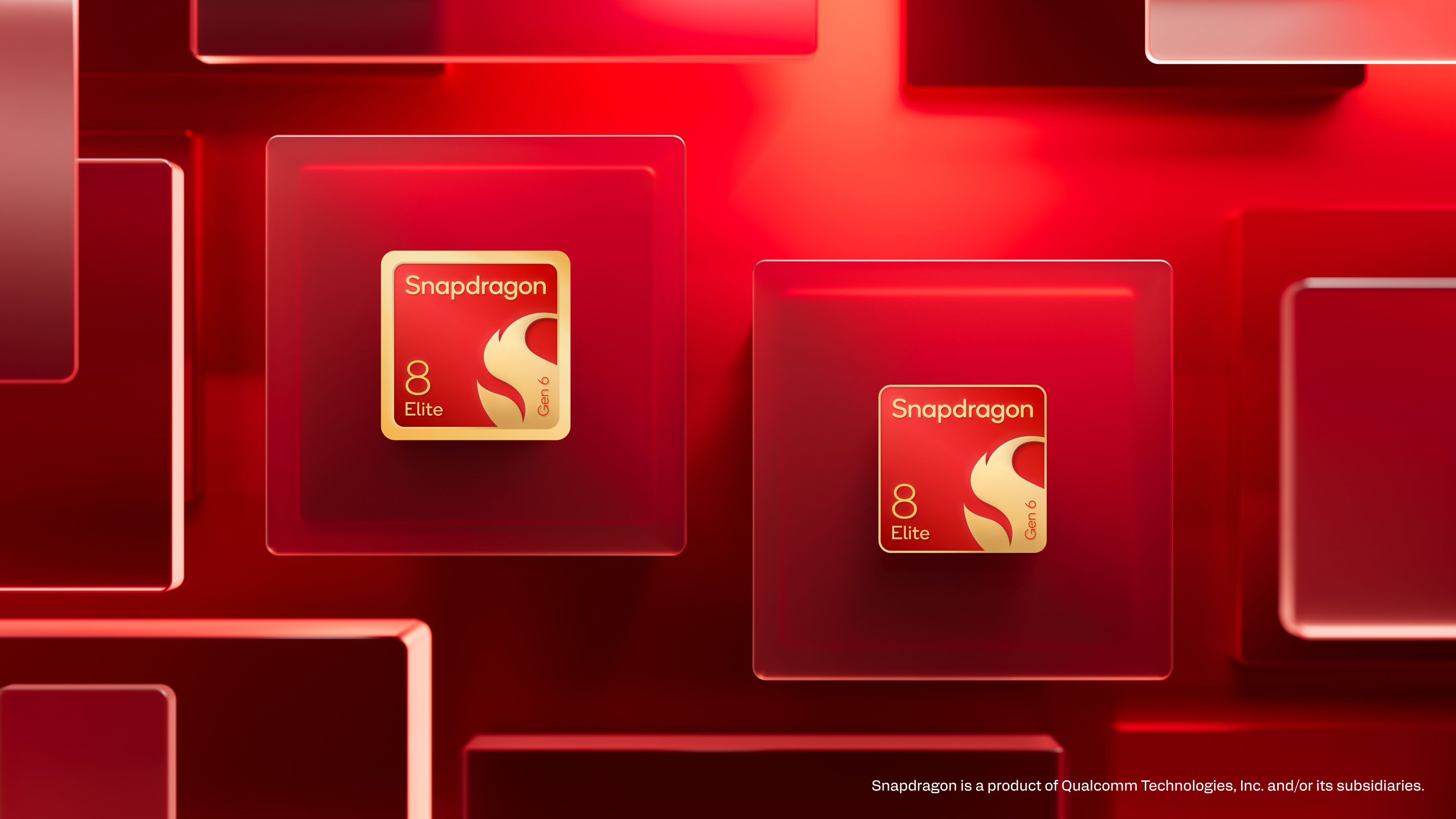
Adreno Neural Fusion SDK is a Qualcomm toolkit that uses AI models on the Adreno GPU to reconstruct higher-resolution images and create intermediate frames. In its official announcement on September 23, 2026, Qualcomm said the first release supports Snapdragon 8 Elite Gen 6 or newer platforms, Vulkan, Unreal Engine 5, Unity 6.6+, and Snapdragon Profiler.

What changed for mobile app and game developers?
Qualcomm moves part of the rendering workload into an on-device AI inference path. AI Super Resolution takes a lower-resolution image and reconstructs a higher-resolution output. AI Frame Generation creates extra frames between frames that the app renders.
On September 23, 2026, Qualcomm said the SDK, samples, and documentation were available. Initial support is limited to Snapdragon 8 Elite Gen 6 or newer devices. Teams must not treat this feature as a baseline for all Android users in Indonesia.
| Capability | Work it can reduce | Risk to test |
|---|---|---|
| AI Super Resolution | Full-resolution rendering | Fine detail, text, motion artifacts |
| AI Frame Generation | Native rendering of every frame | Latency, ghosting, frame pacing |
| Engine integration | Custom pipeline work | Unity, Unreal, Vulkan, device versions |
Who is affected?
Android game teams are the most direct users because they balance visual quality, frame rate, heat, and battery use. Teams that build 3D visuals, augmented reality, digital twins, interactive catalogs, or product configurators can also test it. Marketing teams are affected when the visual experience is part of a funnelFunnelThe order of stages a buyer passes, from meeting you to paying you.Open the glossary.
The effect is different for standard business apps. Forms, CRM systems, list-based marketplaces, and messaging apps do not automatically benefit from frame generation. These teams often get more value from smaller bundles, network optimization, and resilience tests. Read our guide to chaos engineering for AI-built apps and Click-to-WhatsApp tracking.
How does it affect cost and team workflow?
The SDK does not remove compute cost. It changes where the cost occurs. A team can reduce native rendering work but add AI inference, integration work, a larger QA matrix, and fallback requirements. Qualcomm did not state a universal project-cost or battery saving on September 23, 2026, so each team must use its own app tests.
Measurement must separate visual quality, interaction response, device efficiency, and business results. Do not use frame rate as the only release criterion. More apparent frames can come with latency or artifacts that damage the experience.
| Layer | Minimum metrics | Decision |
|---|---|---|
| Visual | Artifacts, ghosting, text sharpness | Pass by scene and device |
| Response | Input latency, frame time, p95 pacing | No main-flow regression |
| Device | Power, temperature, throttling, memory | Safe for a real session |
| Business | Crash-free sessions, completion, retention | Result justifies cost |
What should Indonesian teams do now?
- Map user devices. Calculate the session share from supported platforms.
- Select one heavy scene. Test a flow with a real GPU bottleneck.
- Create three variants. Compare native rendering, super resolution, and super resolution with frame generation.
- Build a fallback. Do not make a core feature depend on flagship devices.
- Test heat and battery use. Run sessions that match real usage.
- Connect tests to business results. Measure completion, engagement, or retention.
Teams must calculate cost per completed task, not only component price. Our guide to AI cost per task explains the method.
Frequently asked questions
Is the Adreno Neural Fusion SDK available now?
Yes. On September 23, 2026, Qualcomm said the SDK, samples, and documentation were available.
Which devices does it support?
The first release supports Snapdragon 8 Elite Gen 6 or newer platforms, according to Qualcomm on September 23, 2026.
Does the SDK make an app cheaper?
Not necessarily. Integration, cross-device QA, observability, and fallback work remain.
Is generated frame output equal to native frames?
No. AI Frame Generation creates intermediate frames. Measure latency, pacing, and artifacts in addition to frame rate.
Should every mobile team adopt it?
No. Test it when an app has a heavy graphics workload and users have supported devices.
Operational conclusion
Adreno Neural Fusion SDK is worth testing as a rendering accelerator for demanding mobile experiences. It is not a reason for a mass upgrade without data. Start with one scene, measure four layers, keep a fallback, and continue only when the user-experience gain exceeds integration and device-fragmentation costs.