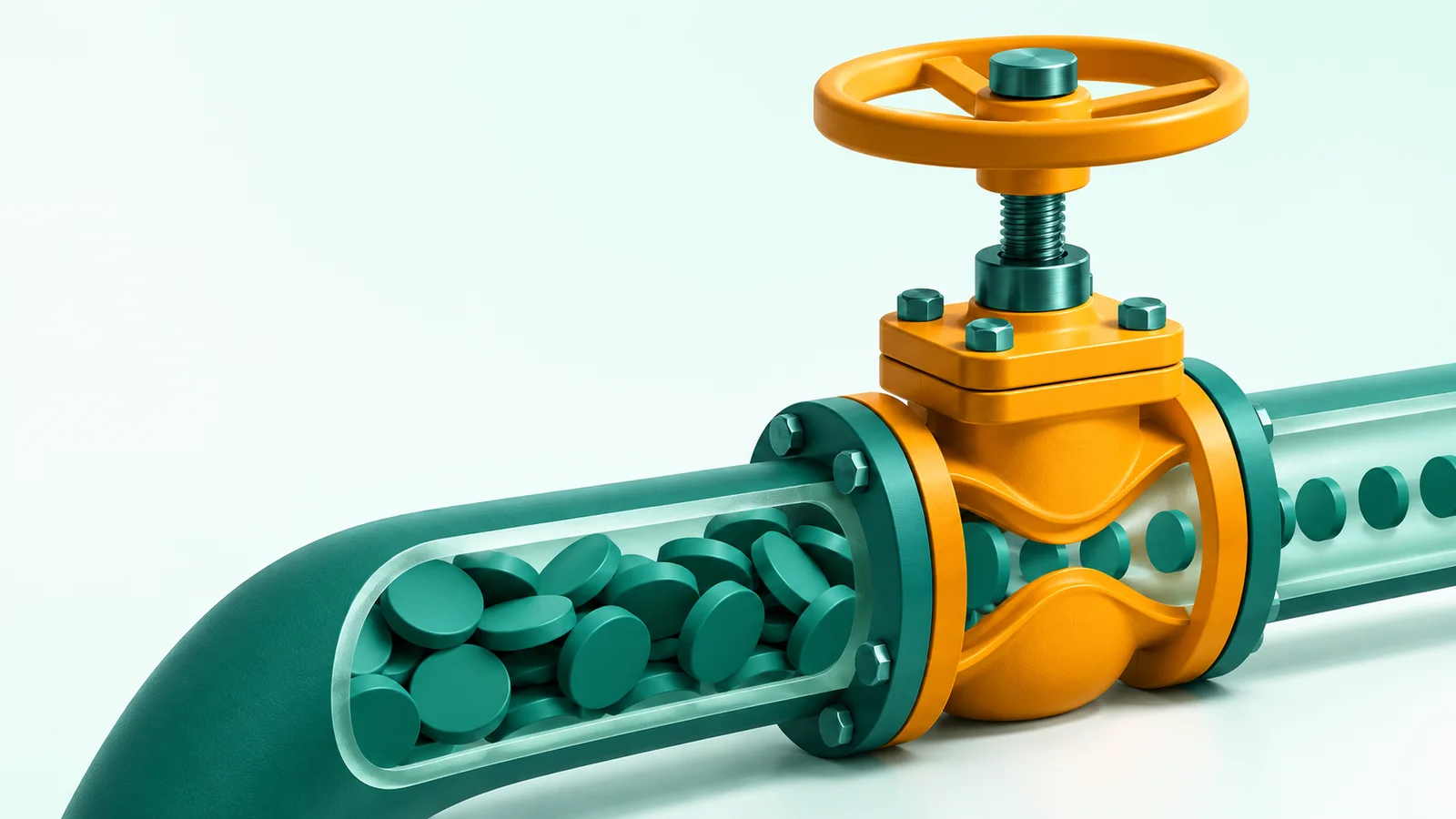
From Monday, 9 November 2026, new ChatGPT Ads campaigns use Target CPACPAThe average cost of 1 result, for example 1 order or 1 qualified buyer.Open the glossary or Target CPCCPCThe average cost of 1 ad click. Divide the ad spend by the number of clicks.Open the glossary, not Max Bid or Max CPC. Existing campaigns continue with Max Bid and Max CPC until 1 January 2027, according to the OpenAI Help Center article on ChatGPT Ads bidding strategies that we read on 6 November 2026.
Target CPA is the average cost per conversionConversionThe action you count as a result, for example a paid order, a sign-up, or a chat that becomes a qualified buyer.Open the glossary that you ask for, for example per lead or per purchase. Max Bid is a bid ceiling in each auction. This difference changes how you read cost, conversion data, and weekly reports.
OpenAI sent an email about this change to advertisers on 5 November 2026, according to Search Engine Roundtable. ChatGPT Ads has been open to self-serve advertisers in Indonesia since 23 September 2026, according to the OpenAI announcement for Southeast Asia. The Help Center does not limit this bidding change by country.
What changes in ChatGPT Ads from 9 November 2026?
OpenAI replaces 2 bid ceiling controls with 2 average cost targets, and gives the automatic strategy a new name.
| Old strategy | New strategy | Campaign type | Meaning of the number you enter |
|---|---|---|---|
| Maximize Results (Autobid) | Intelligent bidding | All | No number. The system pursues results within the budget. |
| Max Bid | Target CPA | Conversion | Before: a bid ceiling per auction. Now: an average cost per conversion. |
| Max CPC | Target CPC | Click | Before: a bid ceiling per click. Now: an average cost per click. |
With Target CPC, the system can bid above or below the target in each auction. One click can cost more than the target. The average cost can also be higher or lower than the target, according to OpenAI.

When does each change start?
The change runs on 3 dates, from 9 November 2026 to 1 January 2027.
| Date | Ads Manager | APIAPIThe official door 2 systems use to exchange data, without anybody copying it by hand.Open the glossary |
|---|---|---|
| 9 November 2026 | Target CPA and Target CPC are available for new campaigns. You can start to move existing campaigns. | The Max Bid and Max CPC fields keep their old behavior. |
| 18 November 2026 | No new change. | Old fields that create a campaign or change the bid type select Target CPA or Target CPC. The value you send becomes an average target. |
| 1 January 2027 | Max Bid and Max CPC retire for existing campaigns. | The Max Bid and Max CPC fields are deprecated. Support for the old fields ends on 31 December 2026. |
The largest risk is in tools or scripts that create campaigns through the API. From 18 November 2026, a number that was a ceiling becomes an average target. One click or one conversion can cost more than that number.
Who does this change affect?
All advertisers that create conversion or click campaigns in ChatGPT Ads are affected, including self-serve accounts in Indonesia.
- Advertisers that use Max Bid or Max CPC to control cost. These controls go away on 1 January 2027.
- Agencies and technology partners that create campaigns through the API. The meaning of the old fields changes on 18 November 2026.
- Conversion campaigns with weak conversion data. Target CPA depends on the events that arrive.
- Advertisers that already use Maximize Results. Only the name changes to Intelligent bidding.
How does this change ad cost?
Cost per conversion becomes an average, so you no longer have a hard ceiling in each auction.
The winning auction bid still sets the price that you pay. This rule applies to all strategies, according to OpenAI. The change is in how the system selects bids.
A target that is too low makes ads show less often. OpenAI gives an example: $400 in spend with 10 purchases gives an actual CPA of $40. A $20 target does not make the system deliver purchases at half the cost.
If an audience bid multiplier is available, the target for that segment also changes. A $50 Target CPA with a 1.2× new-customer multiplier gives a $60 target for that segment, according to OpenAI.
Target CPA also does not mean that you pay per conversion. Conversion campaigns are still billed per click or per impressionImpressionThe number of times your ad or page appeared on a screen. An impression is not a person and not a search.Open the glossary, as selected when you create the campaign, according to the OpenAI Help Center article on conversion campaigns. You cannot change the objective or billing after you create the campaign, so clone the campaign to move to another billing option.
How does this change conversion data?
Target CPA learns from conversion events, so weak data makes ads show less often and leaves budget unspent.
- Conversion campaigns need the OpenAI PixelPixelA piece of code on a web page that tells the ad platform somebody opened the page or took an action.What is the Meta Pixel?, the Conversions APICAPIA server path that sends conversion data from your system to the ad platform, without depending on the buyer browser.What is the Conversions API (CAPI)?, or both.
- Each campaign uses 1 standard event. Custom events are not supported for the Conversion optimization objective.
- You cannot change the event after you create the campaign. For a different event, create a new campaign.
- OpenAI writes that setup alone does not prove that signals arrive. Check real events in the data source that is linked to the campaign.
- A high Event Quality Score (EQS) does not prove that event volume supports large spend. Read EQS and conversion volume together.
Many businesses in Indonesia close sales in WhatsApp. The page Pixel does not record a lead in a chat. Send a lead event from the server through the Conversions API when a chat becomes a lead. The steps are in our guide to ChatGPT Ads conversion tracking with the Conversions API.
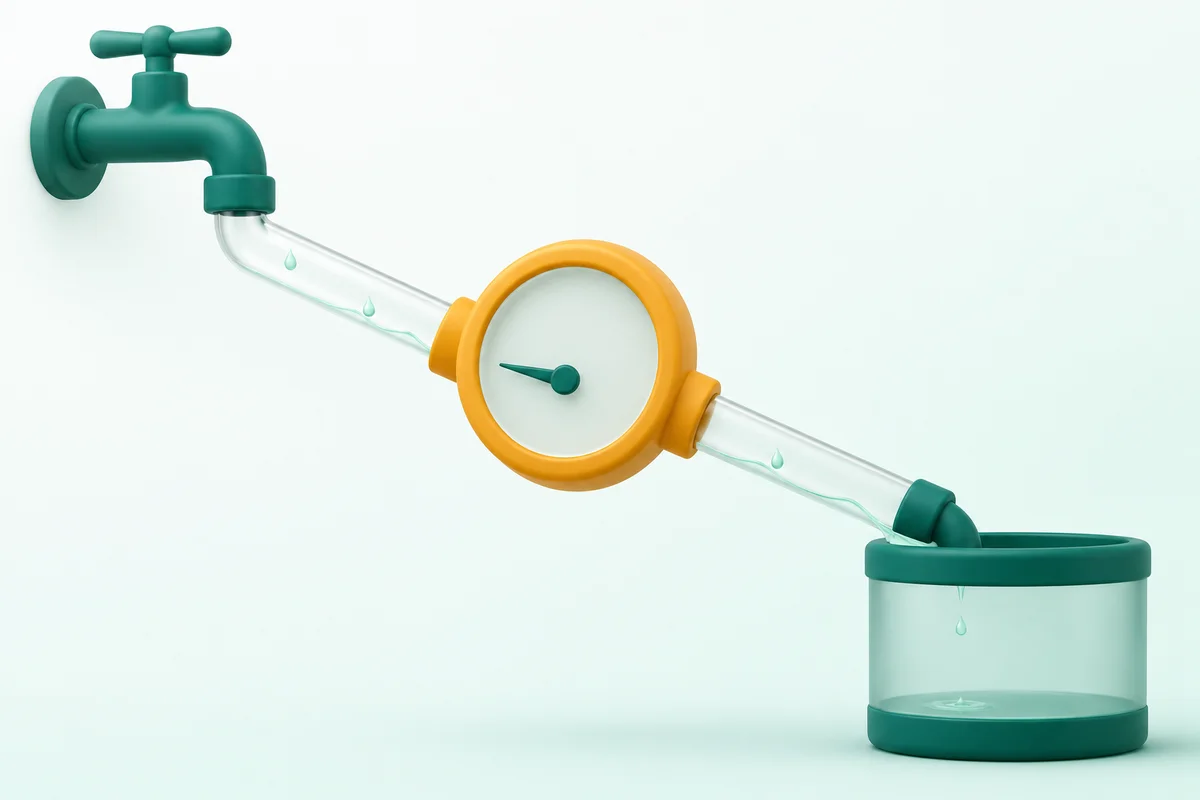
6 steps before and after 9 November 2026
Calculate the actual cost and check conversion data before 9 November, then move 1 campaign first.
- List each ChatGPT Ads campaign: bid strategy, Max Bid or Max CPC value, conversion event, and billing.
- Calculate the actual CPA or CPC for the last 28 days for the same event. Allow time for conversions that arrive late.
- Calculate the value of 1 conversion for your business. Illustrative example: a margin of Rp 1,000,000 per sale and 1 of 4 leads buys, so 1 lead is worth Rp 250,000.
- Check the data source: real events arrive, the selected event is correct, and there are no EQS warnings for data match, delays, or duplicate events.
- From 9 November, move 1 campaign to Target CPA or Target CPC. Set the target equal to the actual CPA or CPC, not below it.
- Monitor spend, results, and average cost for 7 days. If spend is far below budget, increase the target or repair the conversion data.
If you use a third-party tool or an API script, ask the partner to move to the Target CPA and Target CPC fields before 18 November 2026.
What changes in the ad team report?
The weekly report must read the average cost against the target, because one conversion can cost more than the target.
| Item to check | With Max Bid or Max CPC | With Target CPA or Target CPC |
|---|---|---|
| Cost control | Bid ceiling value | Average CPA or CPC against the target |
| Problem signal | Bids lose auctions | Spend below budget |
| Data that must be healthy | Clicks and conversions | Conversion events, EQS, and event volume |
| Weekly decision | Raise or lower the ceiling | Change the target in small steps or repair the data |
We recommend 1 target change per week. Frequent changes make it hard to find the cause when cost goes up or down.
Limits of this information
OpenAI does not give a recommended bid amount yet, according to the Help Center page on conversion campaigns.
The Help Center also does not state the length of the learning phase after a campaign changes strategy. OpenAI writes that each campaign shows its own transition steps in Ads Manager. We have not seen that screen yet, because the feature starts on 9 November 2026.
What should you do this week?
Before 9 November 2026, calculate the actual CPA and check the conversion data of each ChatGPT Ads campaign.
Set the first target equal to the actual cost, and make sure that number is below the value of 1 conversion. Check the tracking health of your site with the Rama Digital Tracking Health Check. To decide if ChatGPT Ads is worth a test, read our study of ChatGPT Ads vs Google Search.
Questions and answers
Do existing ChatGPT Ads campaigns stop on 9 November 2026?
No. Existing campaigns continue with Max Bid or Max CPC until 1 January 2027. You can move them to Target CPA or Target CPC from 9 November 2026.
Does Target CPA guarantee the cost per conversion?
No. Target CPA is an average cost goal. The actual cost can be higher or lower, and each conversion can have a different cost, according to OpenAI.
Does Target CPA make me pay per conversion?
No. The bid strategy and the billing option are 2 different settings. Conversion campaigns are still billed per click or per impression, as selected when you create the campaign.
Why does my campaign not spend its full budget?
A target that is too low, limited delivery opportunities, or weak conversion signals can hold back spend. Compare the target with the actual CPA, then check events and EQS in Ads Manager.
What changes for ChatGPT Ads API users?
From 18 November 2026, Max Bid and Max CPC fields that create a campaign select Target CPA or Target CPC. The old fields are supported until 31 December 2026 and are deprecated on 1 January 2027.