Short answer: ChatGPT Images 2.5 can speed up Meta Ads creative exploration, but an image model does not replace a brief, brand review, approval, or campaign analysis. OpenAI announced the model on September 8, 2026 with sharper detail, more precise editing, stronger consistency across multiple turns, and faster generation. Read OpenAI's official ChatGPT Images 2.5 announcement for product claims. The operating guidance after the facts is Rama Digital's recommendation.
OpenAI announcement facts to know
OpenAI describes ChatGPT Images 2.5 as a new image model for creative workflows. The announcement says that the model produces more natural lighting, richer textures, and better preservation of reference subjects. OpenAI also reports up to 50 percent lower generation latency than Images 2.0. That number is OpenAI's stated comparison for that release. It is not a promise for every account, image size, or production queue.
In ChatGPT, OpenAI introduces Sketch, a feature that lets people draw a reference directly in ChatGPT. OpenAI also describes templates for formats such as flyers and product photos, comments placed directly on images, and an option to share the prompt with an image. The announcement says Images 2.5 is available to ChatGPT, ChatGPT Work, and Codex users across desktop, mobile, and web at launch. Access can depend on an account, region, or product change. Check the official source before you promise access to a client.
For developers, OpenAI announces 2 APIAPIThe official door 2 systems use to exchange data, without anybody copying it by hand.Open the glossary models. GPT-Image-2.5 Flare is the default choice for most applications. GPT-Image-2.5 Sunburst targets visual work that needs tighter control and accepts longer generation time. OpenAI describes Flare for social content, product experiences, visual search, rapid prototyping, and high-volume generation. OpenAI describes Sunburst for production-ready campaign creative and polished product imagery. Check API model names, access, and pricing in the current documentation before you estimate a project cost.
What changes for Meta Ads creative?
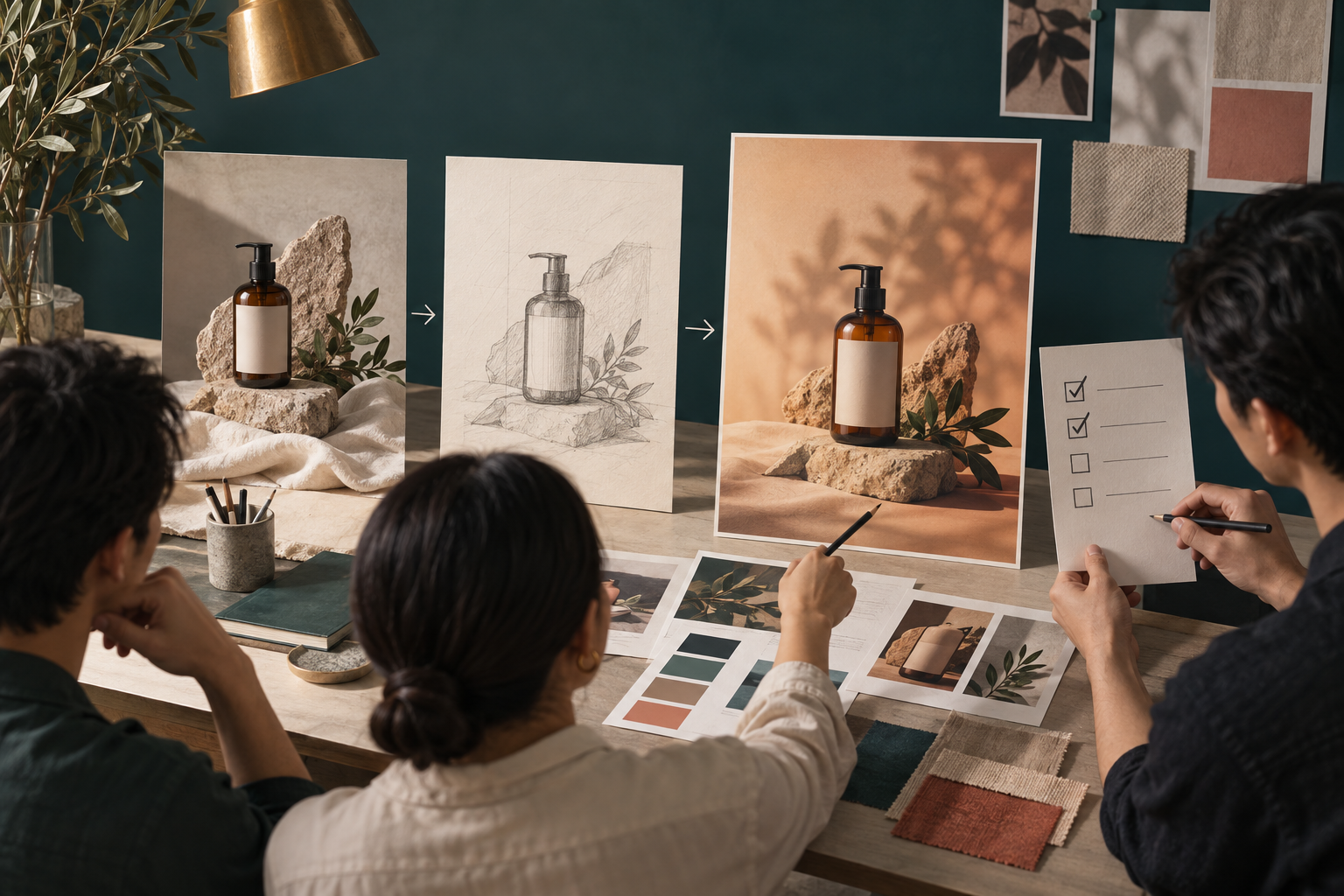
Rama Digital recommendation: treat Images 2.5 as an exploration and revision engine. Start with a brief that states the product, buyer, funnelFunnelThe order of stages a buyer passes, from meeting you to paying you.Open the glossary stage, allowed claims, placement format, and desired action. Ask for several visual directions with different hypotheses. For example, a product image that clarifies use may support consideration; a composition that shows a customer problem may support awareness. A hypothesis must be tested with campaign data. It is not a fact.
Precise editing can help a team replace one element, such as a background or product, while keeping the composition. This can reduce rework when a brief changes. You still need to inspect product shape, packaging, color, copy, price, and the details that explain why a buyer should trust the offer. A model can create a plausible image that remains wrong. Do not publish an asset before a person reviews it.
Multi-turn consistency can also support a creative series. Set one master brief, one version name, and one change log. Store the prompt, reference, date, model, and approver. This record lets you explain why one variation entered an ad set and repeat a useful process. Do not mix versions with different messages, offers, or landing pages under unclear names.
Use a different format for each funnel stage
At awareness, show a problem or context that the intended buyer can recognise. At consideration, show a method, comparison, or inspectable proof. At conversionConversionThe action you count as a result, for example a paid order, a sign-up, or a chat that becomes a qualified buyer.Open the glossary, state the next action and offer boundary. One image can support one message. Do not force one image to answer every customer objection.
For Meta Ads, prepare versions that match each placement and ratio. Check text safe areas, mobile readability, and the link between the visual and primary text. Do not treat a number inside an AI image as performance data. Connect every ad to UTMUTMA label you attach to a page address to mark the source of a visit, for example the campaign and the channel.Open the glossary parameters, events, a landing pageLanding pageThe page an ad points to. It carries 1 offer and 1 action, with no menu pulling the visitor elsewhere.What is a landing page?, and lead status so the team can assess the creative through the business decision.
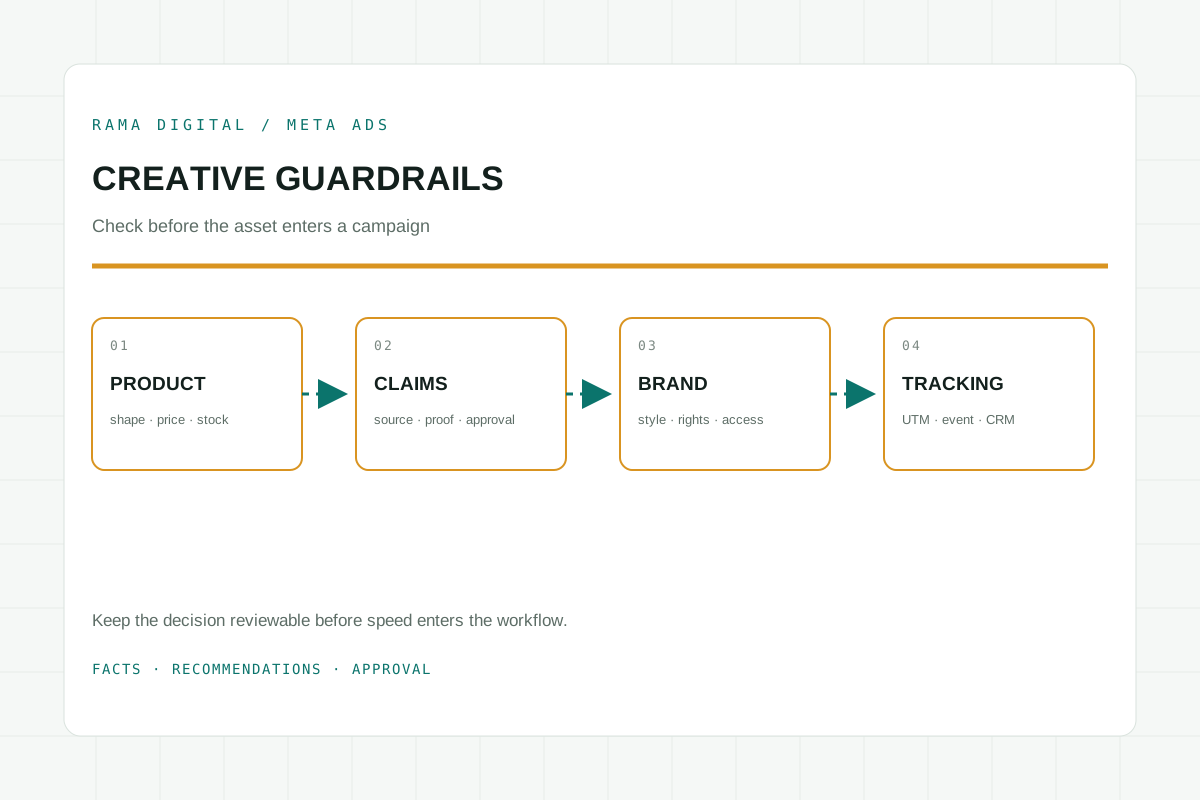
Guardrails before an asset enters a campaign
The first guardrail is product accuracy. Compare the asset with approved photos, specifications, price, and stock. The second guardrail is claims. Mark claims that need evidence, including results, discounts, time limits, quantities, and health statements. If you cannot show a source or approval, remove the claim from the asset.
The third guardrail is brand use and rights. Use approved colors, logos, models, fonts, and styles. Store the source for each reference photo. Do not upload customer data, faces, or another party's material without a clear basis for use. OpenAI says ChatGPT Images 2.5 uses prompt and image checks, C2PA metadata, and invisible watermarking as part of its safety approach. These features support identification and protection. They do not remove the team's duty to check rights and content.
The fourth guardrail is accessibility. Write alt text for assets that appear on a page. Keep image text readable without zoom. Put key information in the copy, not only in the image. The fifth guardrail is tracking and approval. Record the asset ID, version, prompt, landing page, ad ID, launch date, and approver. Review the asset before publication and after it enters Ads Manager.
What Rama Digital can audit
An audit starts with the relationship between message, creative, landing page, and follow-up. We check whether each variation has a clear purpose, whether its version name maps to an ad, and whether events show a useful action. We also check account access, consent, UTM parameters, funnel structure, customer exclusions, and the route from lead to CRM. An audit measures system readiness. It does not promise ROASROASRevenue from ads divided by ad spend. A ROAS of 4 means each Rp 1,000 of ad spend returns Rp 4,000 of gross revenue.How to calculate ROAS and break-even ROAS, CPACPAThe average cost of 1 result, for example 1 order or 1 qualified buyer.Open the glossary, or lead volume.
For Essential, the scope can cover 1 product, 1 landing page, 2 angles, and an access and tracking checklist. For Growth, the audit can cover 2 segments, 3 angles per segment, creative variations, and the link between leads and follow-up. For Scale, the audit can cover asset governance, production cadence, multiple cities or products, channel reconciliation, and approval controls. The final scope follows your data condition, team capacity, and decision target.
Use Meta Ads Performance Management when you need one review of management scope, tracking, funnel, and creative. Send your business context, existing assets, funnel target, available access, and media budget. We start with an audit so the recommendation does not rest on assumptions.
A 7-day implementation checklist
- Day 1: set the product, buyer, funnel stage, and allowed claims.
- Day 2: write the master brief and 2 or 3 visual hypotheses.
- Day 3: create variations with ChatGPT Images 2.5 and record each version.
- Day 4: review product, claims, brand, rights, and accessibility.
- Day 5: match the creative with copy, placement, landing page, and event.
- Day 6: get business-owner approval and save the decision.
- Day 7: launch with control and read signal quality with CRM data.
Faster generation creates room for faster learning. Decision quality still depends on the brief, guardrails, tracking, and follow-up. Separate facts from recommendations, keep a record for every version, and let campaign data set the next action.